Does Epsom Salt Help with Foot Pain? A Comprehensive Guide
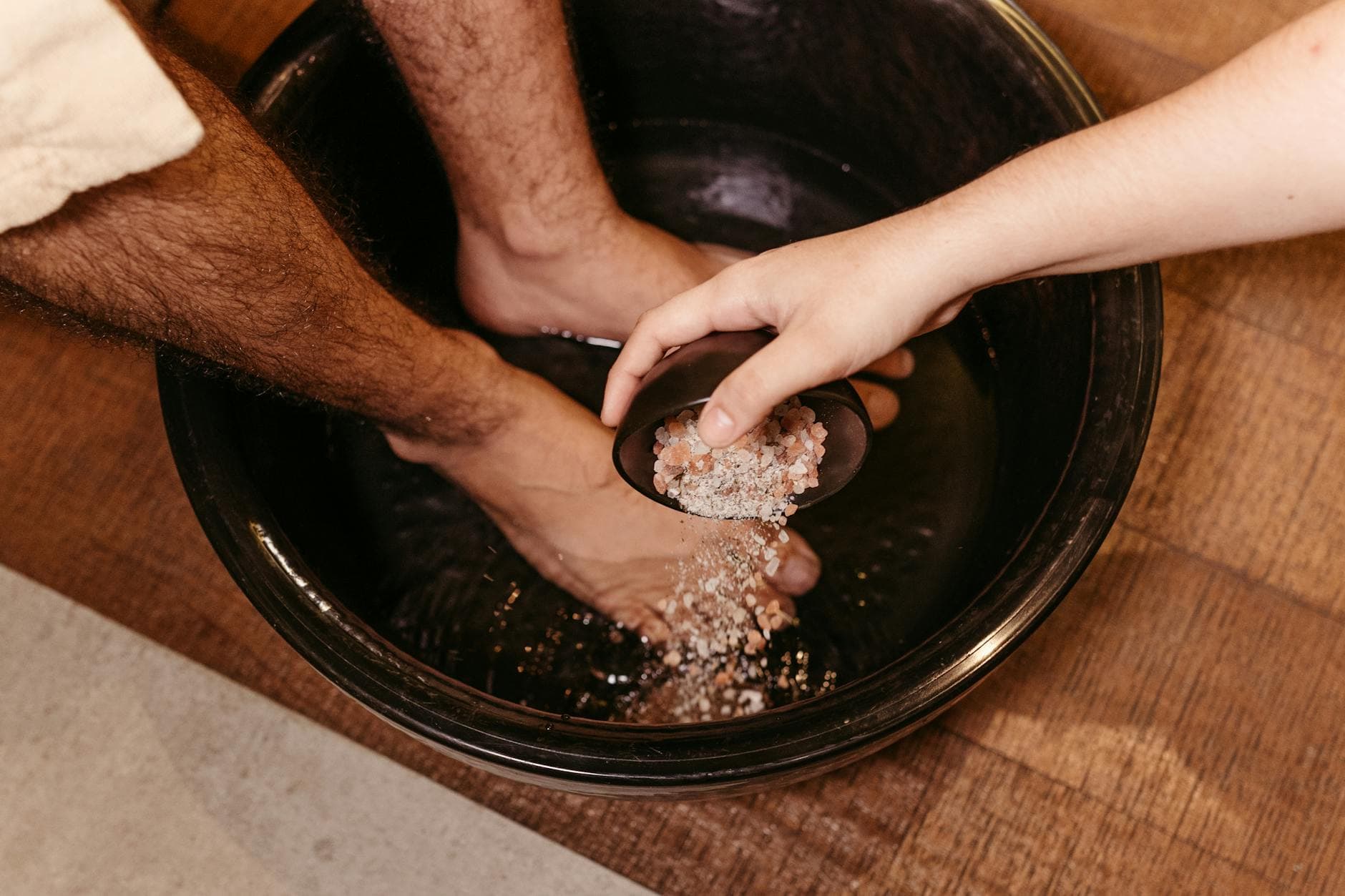
Does epsom salt help with foot pain? For generations, people have turned to this simple, at-home remedy to soothe tired, aching feet. Epsom salt, a naturally occurring mineral compound of magnesium and sulfate, is widely believed to ease muscle soreness, reduce inflammation, and promote relaxation. But how much of this is backed by science? This article dives into the research behind Epsom salt foot soaks, outlines their potential benefits, and provides safe usage guidelines to help you decide if they are right for your foot care routine.
What Is Epsom Salt and How Does It Help with Foot Pain?
Chemical Composition and History
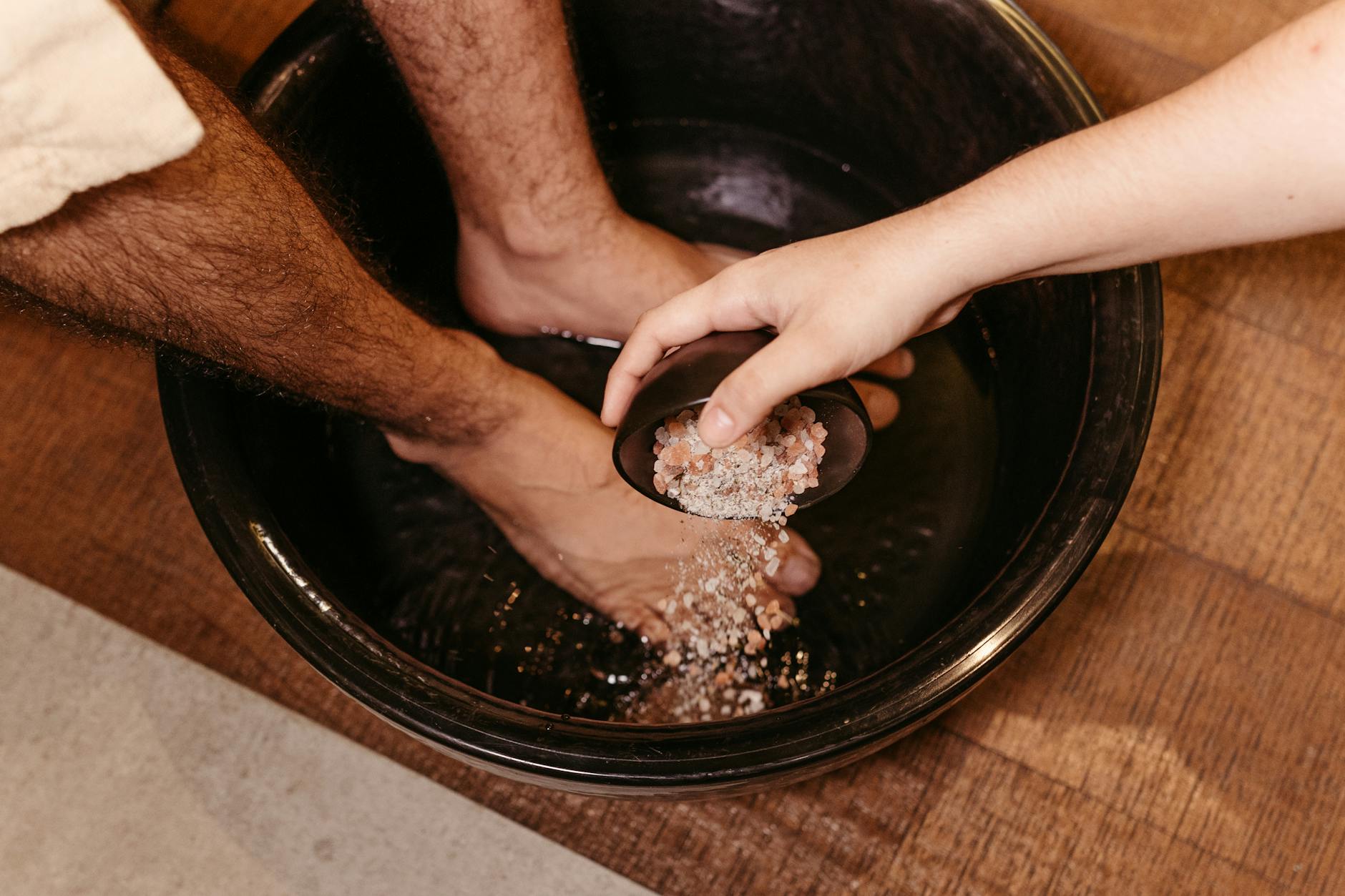
Epsom salt gets its name from the town of Epsom in Surrey, England, where the mineral was first discovered in natural springs during the 17th century. Chemically, it is magnesium sulfate heptahydrate (MgSO₄·7H₂O), a compound composed of magnesium, sulfur, and oxygen. Unlike table salt, Epsom salt is not intended for consumption. Its therapeutic use dates back centuries, and it remains a staple in baths and foot soaks for its reputed healing properties. The mineral form, known as epsomite, crystallizes in a fibrous or granular mass and was originally promoted as a cure-all for ailments ranging from constipation to muscle pain.
Differences from Table Salt
One common misconception is that Epsom salt is similar to table salt. In reality, they are chemically distinct. Table salt is sodium chloride (NaCl), while Epsom salt lacks sodium entirely and provides magnesium and sulfate ions. This fundamental difference means Epsom salt cannot be used as a seasoning and does not contribute to dietary magnesium intake. Ingesting large amounts can cause severe gastrointestinal distress, so it is strictly for external use. However, its potential for easing foot discomfort through warm water soaks has made it a popular choice for addressing muscle aches and skin issues.
How Epsom Salt Works for Foot Pain
The Role of Magnesium and Sulfate
Proponents of Epsom salt foot soaks emphasize the roles of magnesium and sulfate. Magnesium is essential for over 300 biochemical reactions in the body, including muscle and nerve function. Sulfate, on the other hand, is thought to aid in joint and tissue health. The theory is that soaking in Epsom salt allows these minerals to be absorbed through the skin, thereby replenishing magnesium levels and promoting relaxation. However, the scientific support for this transdermal absorption is still a subject of debate. Some alternative health circles also claim that sulfate helps flush toxins, though rigorous evidence is mixed.
Transdermal Absorption: Can Magnesium Enter Through the Skin?
The question of whether magnesium can be absorbed through the skin is central to the effectiveness of Epsom salt soaks. While the skin acts as a protective barrier, some studies suggest that magnesium sulfate can penetrate the epidermis under certain conditions. One small study indicated that magnesium absorption from Epsom salt baths depends on the concentration of the salt and the duration of the soak. Nevertheless, the evidence is limited, and many health experts argue that any benefits from foot soaks are more likely due to the warm water and buoyancy rather than mineral absorption. The permeability of skin varies by individual, making broad conclusions difficult.
Mechanisms of Pain Relief: Muscle Relaxation, Inflammation, and Circulation
Even if transdermal absorption is minimal, Epsom salt foot soaks may still relieve foot pain through other mechanisms. Warm water alone can increase blood flow, relax muscles, and reduce stiffness. The sensation of soaking in a warm, mineral-rich bath can also trigger a psychological relaxation response, lowering stress-related muscle tension. For those with inflammatory conditions like arthritis, the warmth and mild exfoliation from Epsom salt might temporarily alleviate discomfort. Combined, these factors create a compelling, albeit anecdotal, case for the tradition of foot soaking. The buoyancy of water further reduces pressure on the soles, offering immediate relief.
Proven Benefits of Epsom Salt Foot Soaks
Relieving Muscle Soreness and Tension
Athletes and individuals who spend long hours on their feet frequently report reduced muscle soreness after an Epsom salt foot soak. While rigorous clinical trials are lacking, the magnesium in Epsom salt is often credited with helping muscles unwind after exertion. Warm water further assists by dilating blood vessels and flushing out metabolic waste. The result is a sense of relief that, while not a medical cure, can be a valuable part of a self-care routine. Many users also find that the ritual of a foot soak provides a mental break, indirectly easing perceived pain.
Reducing Inflammation in Conditions Like Arthritis and Gout
For chronic inflammatory conditions such as arthritis and gout, Epsom salt may offer mild, temporary relief. The warmth of the soak can soothe stiff joints, and magnesium is sometimes touted for its anti-inflammatory properties. However, it is essential to note that these benefits are not a substitute for medical treatment. People with gout, for instance, should be cautious, as hot water can sometimes exacerbate acute flare-ups. During a gout attack, ice may be more appropriate than heat. Consulting a healthcare provider before using Epsom salt for inflammatory foot pain is always advisable.
Easing Nerve Pain: Evidence from Chemotherapy-Induced Neuropathy
Perhaps the most compelling evidence for Epsom salt's efficacy comes from research on chemotherapy-induced peripheral neuropathy. A study on cancer patients found that daily 20-minute Epsom salt foot baths helped delay or prevent the onset of neuropathy symptoms. While this is a specific application, it suggests that regular soaking might have a protective effect on nerve function. More research is needed to generalize these findings, but it provides a scientific basis for the use of Epsom salt in managing certain types of foot pain. The exact mechanism may involve magnesium's role in nerve signal transmission.
Skin Health: Exfoliation and Managing Athlete's Foot
Epsom salt is also recognized for its role in foot skin care. The granular texture of the salt can act as a mild exfoliant, removing dead skin cells and softening calluses. When it comes to athlete's foot, the Epsom Salt Council notes that while Epsom salt does not kill the fungus that causes the infection, it may help draw out moisture from the skin, creating a less favorable environment for fungal growth. This can complement antifungal treatments but should not replace them. Regular soaks can also reduce foot odor by eliminating bacteria that thrive in moist environments.
Improving Circulation and Promoting Relaxation
Beyond physical pain, foot soaks are inherently relaxing. The warm water temperature recommended—between 92°F and 100°F—promotes vasodilation, which enhances blood circulation. Improved circulation can help deliver oxygen and nutrients to tired feet while removing waste products. This physiological effect, combined with the ritual of self-care, can reduce stress and contribute to overall foot health. The simple act of sitting still and focusing on the soothing warmth can also lower cortisol levels, offering a holistic benefit.
How to Perform an Epsom Salt Foot Soak Safely
Step-by-Step Instructions: Water Temperature, Salt Quantity, and Duration
To get the most out of your Epsom salt foot soak, follow these guidelines:
Fill a basin or foot spa with enough warm water to cover your feet. The ideal water temperature is between 92°F and 100°F (33°C–38°C). Avoid overly hot water to prevent burns.
Add 1/2 to 3/4 cup of Epsom salt per gallon of water. Stir until the salt dissolves completely.
Soak your feet for 15 to 30 minutes. For most people, soaking 2–3 times per week is sufficient; limit use to twice a week to avoid skin dryness.
After soaking, gently pat feet dry and apply a moisturizer to lock in hydration.
Interestingly, one source suggests that room temperature water may be appropriate for certain conditions, such as reducing swelling from acute injuries. However, most experts agree that warm water enhances relaxation and circulation, making it the standard recommendation.
Common Mistakes to Avoid
While Epsom salt foot soaks are generally safe, certain missteps can diminish their benefits or cause harm. Avoid using water that is too hot, as it can lead to burns or excessive skin dryness. Do not exceed the recommended amount of Epsom salt, as high concentrations may irritate the skin. It is also important not to soak for too long; prolonged exposure can strip natural oils from the skin, leading to cracking. Finally, never use Epsom salt on open wounds, as it can cause stinging and increase infection risk.
When to Avoid Epsom Salt Soaks: Contraindications
Not everyone should use Epsom salt foot soaks. Individuals with diabetes or peripheral neuropathy should consult a doctor before use, as their reduced sensation can make them vulnerable to burns and infections. Those with skin conditions like eczema or psoriasis may experience worsening symptoms. Pregnant women, while generally safe, should seek medical advice due to potential changes in skin sensitivity and the risk of overheating. As with any home remedy, it is better to err on the side of caution.
Potential Risks and Side Effects
Skin Dryness and Irritation
One of the most common side effects of Epsom salt foot soaks is skin dryness. The salt can draw moisture out of the skin, especially with frequent use. To mitigate this, experts recommend limiting soaks to twice a week and always following up with a quality moisturizer. If you notice redness, itching, or excessive dryness, reduce the frequency or discontinue use. Using a fragrance-free, emollient-rich lotion can help restore the skin barrier.
Burn Risks from Hot Water
Scalding water is a real danger, particularly for those with diminished sensation in their feet. Always test the water temperature with your hand or a thermometer before submerging your feet. The safe range is 92°F–100°F; water above 104°F can cause burns in a matter of minutes. Children and older adults should be especially careful, and a bath thermometer is a worthwhile investment for precise monitoring.
Infection and Special Precautions for Diabetics
For people with diabetes, foot care is paramount. Even minor cuts or blisters can become serious infections due to reduced blood flow and healing capacity. Epsom salt soaks might dry out the skin, leading to cracking that provides an entry point for bacteria. Additionally, the soaking process can harbor bacteria if the basin is not properly cleaned. Therefore, diabetics should always get approval from their healthcare team and adhere to strict hygiene practices, including thoroughly drying feet between the toes.
Other Natural Remedies for Foot Pain
Essential Oils and Additives
To enhance the benefits of a foot soak, consider adding essential oils such as lavender for relaxation, peppermint for a cooling sensation, or tea tree oil for its antimicrobial properties. Epsom salt blends well with these oils, but it is important to dilute them properly in a carrier oil or the salt itself before adding to water. Other additives like apple cider vinegar or baking soda are popular, though their effects are largely anecdotal. Always patch-test any new ingredient to avoid allergic reactions.
Stretching and Strengthening Exercises
Addressing foot pain often requires more than just soaking. Simple exercises like toe curls, ankle circles, and calf stretches can improve flexibility and muscle strength. Incorporating these into your routine can reduce the risk of common foot conditions like plantar fasciitis. A physical therapist can provide a tailored program, but even a few minutes daily can make a difference. Consistency is key to building resilience against chronic foot strain.
Orthotics and Supportive Footwear
Poor footwear choices are a leading cause of foot pain. Investing in shoes with proper arch support and cushioning can alleviate strain on your feet. For those with structural issues, custom orthotics can correct imbalances and distribute pressure evenly. While Epsom salt soaks provide temporary relief, pairing them with appropriate footwear and foot care products offers a long-term strategy for foot health. Over-the-counter inserts can also be effective for minor alignment issues.
Frequently Asked Questions
How often should I soak my feet in Epsom salt?
To avoid skin dryness and irritation, aim to soak your feet in Epsom salt no more than two to three times per week. A typical session should last between 15 and 30 minutes. If you have sensitive skin or a skin condition, further reduce the frequency and consult a dermatologist if needed.
Can Epsom salt cure athlete's foot?
Epsom salt does not cure athlete's foot, as it does not kill the fungus responsible for the infection. However, it may help create a less favorable environment for fungus by drawing out moisture from the skin. It can be used as a complementary measure alongside antifungal creams, but it should not replace medical treatment.
Is it safe to use Epsom salt if I have diabetes?
People with diabetes should use Epsom salt foot soaks with caution and only after consulting their healthcare provider. Diabetes can cause nerve damage and poor circulation, increasing the risk of burns, skin cracks, and infections. A doctor can advise whether foot soaks are appropriate and how to minimize risks.
What's the difference between Epsom salt and table salt?
Epsom salt is magnesium sulfate, while table salt is sodium chloride. They have entirely different chemical compositions and uses. Table salt is meant for consumption and seasoning food, while Epsom salt is used externally for therapeutic purposes. Consuming Epsom salt can cause severe gastrointestinal distress.
Is it safe to use Epsom salt foot soaks during pregnancy?
Foot soaks with Epsom salt are generally considered safe during pregnancy, but it is best to check with a healthcare provider, especially if you have any complications. Some pregnant women find relief from swollen feet and muscle fatigue. Ensure the water is not too hot, as elevated body temperature can be harmful during pregnancy.
Does Epsom salt actually remove toxins from the body?
The claim that Epsom salt foot soaks can detoxify the body is not strongly supported by scientific evidence. While some alternative health sources advocate for their detoxifying effects, most research does not confirm that toxins are drawn out through the skin. The kidneys and liver are the body's primary detoxification organs.
How long does it take to feel relief from foot pain after a soak?
Many people report immediate relief from soreness and tension after a single Epsom salt foot soak. However, the duration and intensity of pain relief can vary. For chronic conditions, repeated soaks over weeks may produce more noticeable benefits. If foot pain persists, seek evaluation from a healthcare professional.